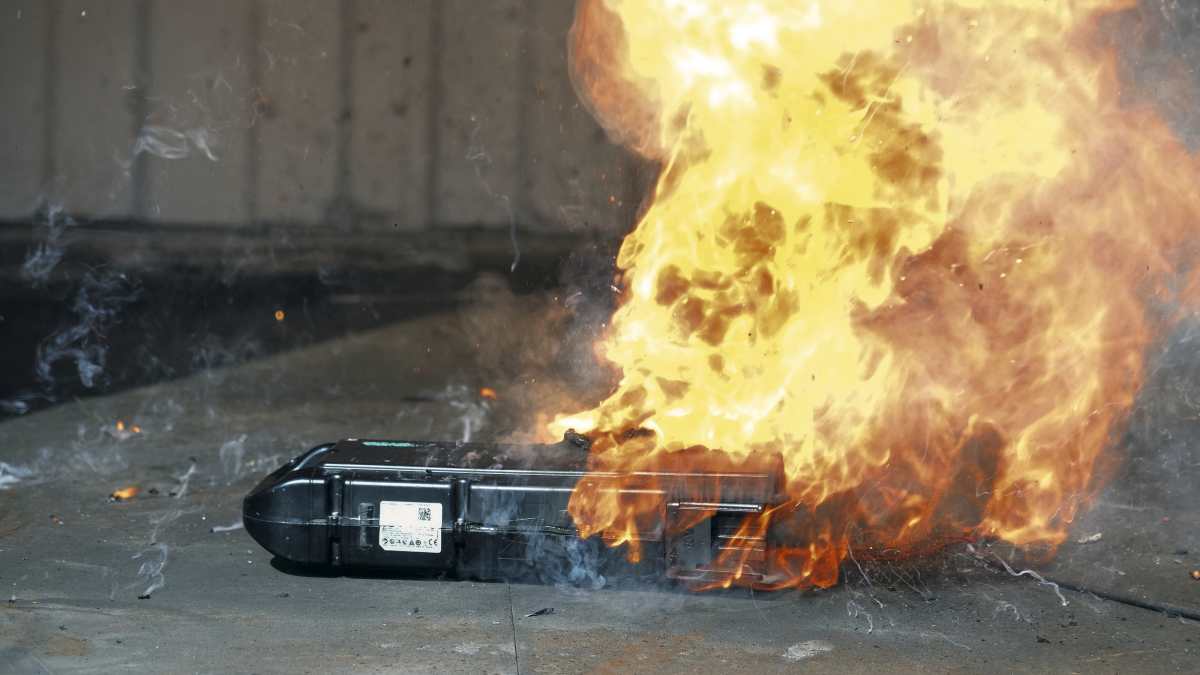
Why are e-bikes in a league of their own? A normal bike has no wearing parts that cost 800 euros. An e-bike does. The battery is a ticking time bomb in the budget - and this is where the difference between a bargain and a money-waster lies. The bitter truth: a three-year-old e-bike for 1800 euros can cost you another 1200 euros within a year. In contrast, a properly refurbished e-bike for 2400 euros can run for years without any problems.
The core of the problem: In contrast to normal bicycles, e-bikes have high-performance batteries that wear out (service life: 500-1000 charging cycles), complex motors (repair often only by the manufacturer), software that requires updates, electronics that must remain waterproof and warranties that are often not transferable.
It can be expensive if you fall into the battery trap with a supposed bargain: an e-bike battery costs between 400 and 900 euros to replace, depending on the brand and capacity. That's 20-40 per cent of the used price!
Here is a real-life example: Gabriel W. bought a three-year-old e-bike for 2,000 euros through a private advert in the classifieds. After six months of use, the range is only 30 km instead of 80 km. A new battery is quickly found, but costs 749 euros. Actual cost: Gabriel has now paid 2749 euros for a used e-bike. By comparison, a new entry-level e-bike costs between 2500 and 3000 euros and also comes with the usual warranties and a manufacturer's guarantee.

How to check the battery status without special tools
Test 1: The charge cycle readout
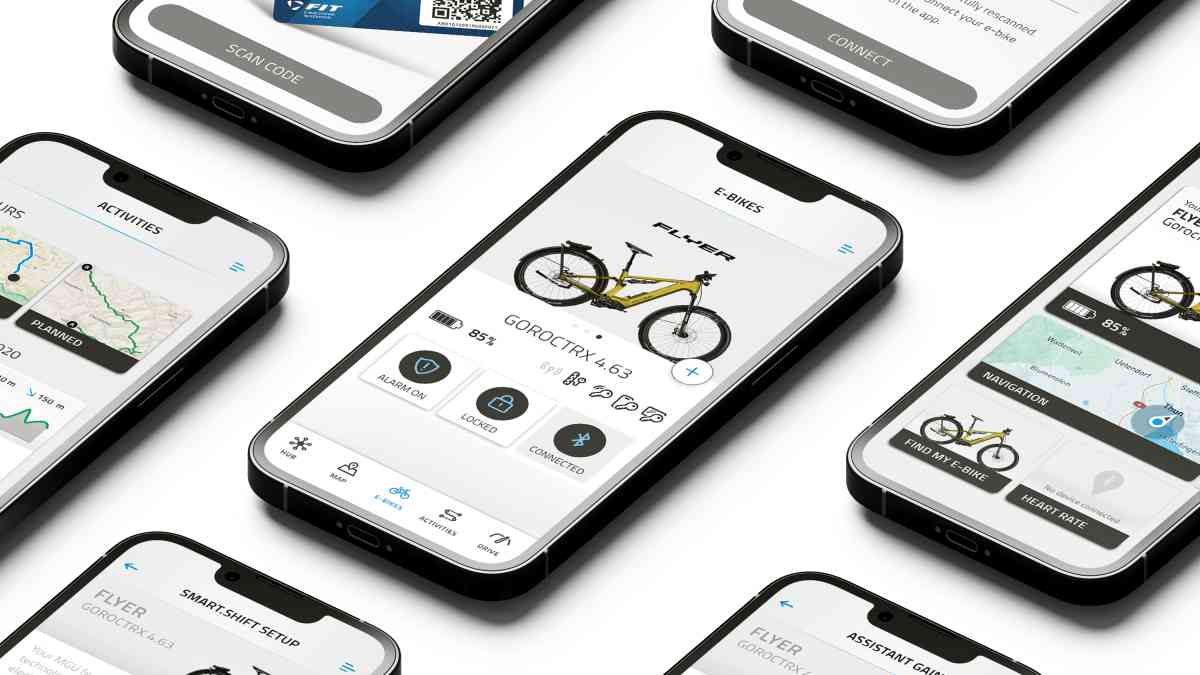
Most e-bike systems show the charging cycles in the display menu. Here are some examples, although these may vary depending on the model generation. For initial orientation, here are some tips for batteries from widely used suppliers:
- Bosch: 1. switch on the bike 2. on the display: Menu → "My eBike" → "Information" 3. it says: "Charging cycles: XXX"
- Shimano: 1. switch on the display 2. press the up and down arrow buttons simultaneously (5 sec.) 3. the service menu opens → "Battery cycles"
- Yamaha: 1st display on 2nd menu → Settings → System info → Battery cycles
- Brose/Specialized: Take the bike to the dealer, as it can only be read out with a special app from a specialist dealer.
What the figures mean:
| Charging cycles | Condition | Residual capacity | Purchase recommendation |
| 0-150 | As good as new | 95-100% | Buy without hesitation |
| 50-300 | Good | 85-95% | Good condition, buy |
| 300-500 | Medium | 75-85% | Buy with discount only |
| 500-700 | Critical | 65-75% | New battery needed soon |
| 700+ | Bad | <65% | Schedule battery replacement |
Rule of thumb: With over 500 charging cycles, you should deduct €400-600 from the price (for a replacement battery in the near future).
Test 2: The practical range check
- Preparation: Fully charge the battery and arrange a longer test ride (min. 20 km), selecting the medium support level (Tour/Normal)
- Procedure: Note the display range indicator at 100% (e.g. "85 km to go"). Drive 20 km (normal conditions, medium support), note the range display again.
- Evaluation: After 20 km, the display should show approx. 22-25 km less. If the display only shows 50 km instead of 65 km after 20 km, the battery is low!
- Warning signal: If the range drops more than 30% faster than when driving, the battery is significantly degraded.
Test 3: Capacity measurement at the dealer
- What you need: A specialist dealer with diagnostic equipment (Bosch, Shimano have their own tools). This service usually costs 20 - 40 euros diagnostic fee
- What is measured: Actual capacity in Wh (watt hours). Target: e.g. 625 Wh for a PowerPack 625 should perhaps still be 500 Wh after 500 cycles, which would correspond to 80 per cent remaining capacity. The investment is worth it: the 30 euro diagnosis can save you from a 700 euro bad investment.
Test 4: The visual inspection
- What to look out for: K.O. criteria are a bloated battery (housing bulges), cracks in the battery housing, corrosion on contacts, battery is difficult to remove/insert, burnt odour
- Warning signals: Battery becomes very hot during charging (>45°C), charging process takes significantly longer than specified, battery discharges quickly without use (>5% per week)
- Good signs: Clean, oxide-free contacts, battery is easy to install and remove, housing intact, no damage, normal charging temperature
The hidden battery cost trap
The problem is that every manufacturer has its own batteries. If the manufacturer goes bankrupt or discontinues the model, there are no more batteries. The e-bike is effectively unusable and the residual value is close to zero. Reliable systems come from Bosch (market leader, large spare parts supply), Shimano (established, reliable), Yamaha (long-term spare parts guarantee) or Brose (installed in many brands). The risk can increase with smaller suppliers or niche brands. In the case of no-name systems, in-house developments from small manufacturers or exotic Chinese brands, it is best to quickly brush the offer aside.
Practical tip: Before buying, google: "[drive system] buy battery" - if you can't find any current offers, don't bother!
The engine trap: repair only by the manufacturer
What could possibly break on the engine? Well, you know it from your car. In principle, everything! Common defects are worn bearings (audible by rattling noises) or defective electronics/controls (engine won't start). Sensor problems can also occur (noticeable by irregular assistance). Water damage (after high-pressure cleaner cleaning!) - Overheating (after long mountain rides) The problem: E-bike motors are basically closed systems and repairs are usually carried out as complete replacements. The costs for motor repair/replacement vary greatly depending on the manufacturer and can be between 600 and 1300 euros depending on the type/model. In other words, a motor defect can turn a used e-bike into a total loss.
Engine check before purchase
Test 1: Noise check:
Normal: Quiet humming/buzzing, even noise, no vibrations
- Warning signals: clattering, rattling, grinding, irregular noises, vibrations noticeable in the frame, noises change with assistance level
- Practical test: 1. wheel on mounting stand 2. allow rear wheel to turn freely 3. activate motor at highest level 4. listen for noise
Test 2: Function check
- Execution: Test all assistance levels, ensuring even power delivery. The motor should respond immediately (no deceleration)
- Warning signals: Motor starts with a delay, clearly jerky assistance, error messages on the display
Test 3: Read out error memory
- Only possible at a specialist dealer: Connect the diagnostic device (costs around 20 to 40 euros) and read out the error log. Shows all errors that have ever occurred. What you want to see: No stored errors or only harmless errors (e.g. "display communication interrupted")
- Red flags: Motor faults (e.g. "overheating", "bearing fault") or frequent faults (indicates a problematic history), safety shutdowns
The BIKE conclusion: Buying a used e-bike privately can be a tricky endeavour. The battery and motor in particular need to be checked thoroughly. In most cases, only a dealer or a specialised workshop can help, e.g. to read out data. A test ride is essential to check the response behaviour of the motor and to detect any suspicious noises that indicate a critical condition. Refurbed offers that include a warranty or guarantee are better.