


Bikepacking: Are you still looking or are you already asleep? The eternal search for a place to sleep
Laurin Lehner
· 08.04.2026


In this article, we use so-called affiliate links. With every purchase through these links, we receive a commission from the merchant. All relevant referral links are marked with . Learn more.
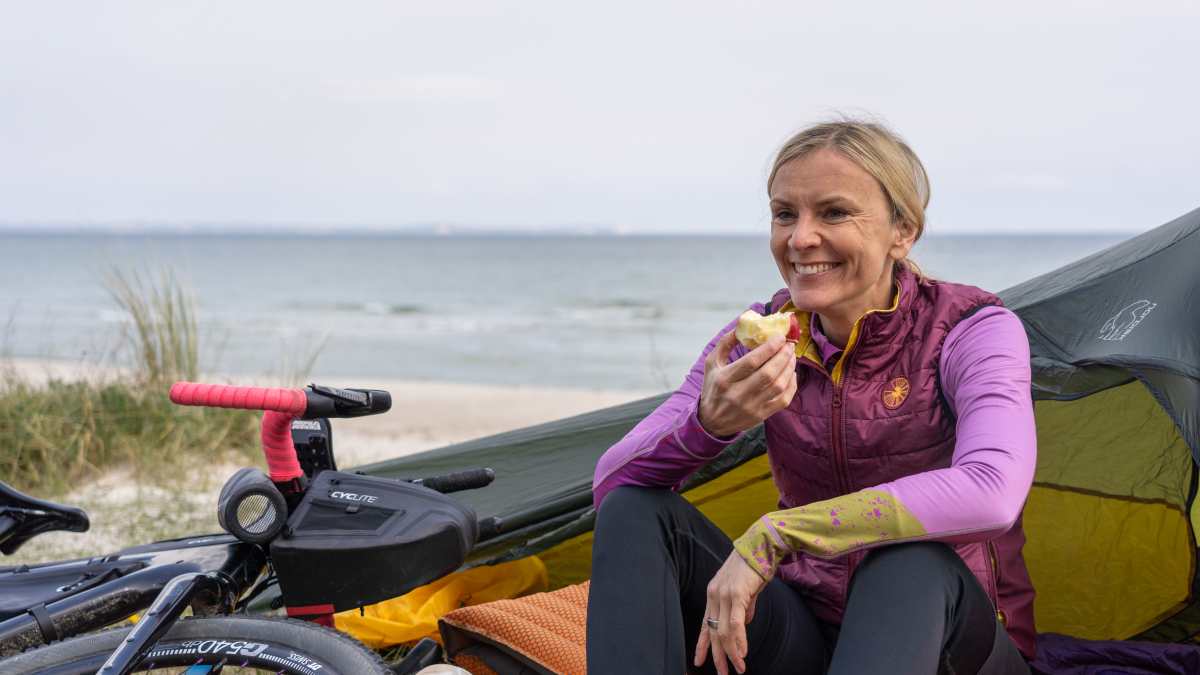
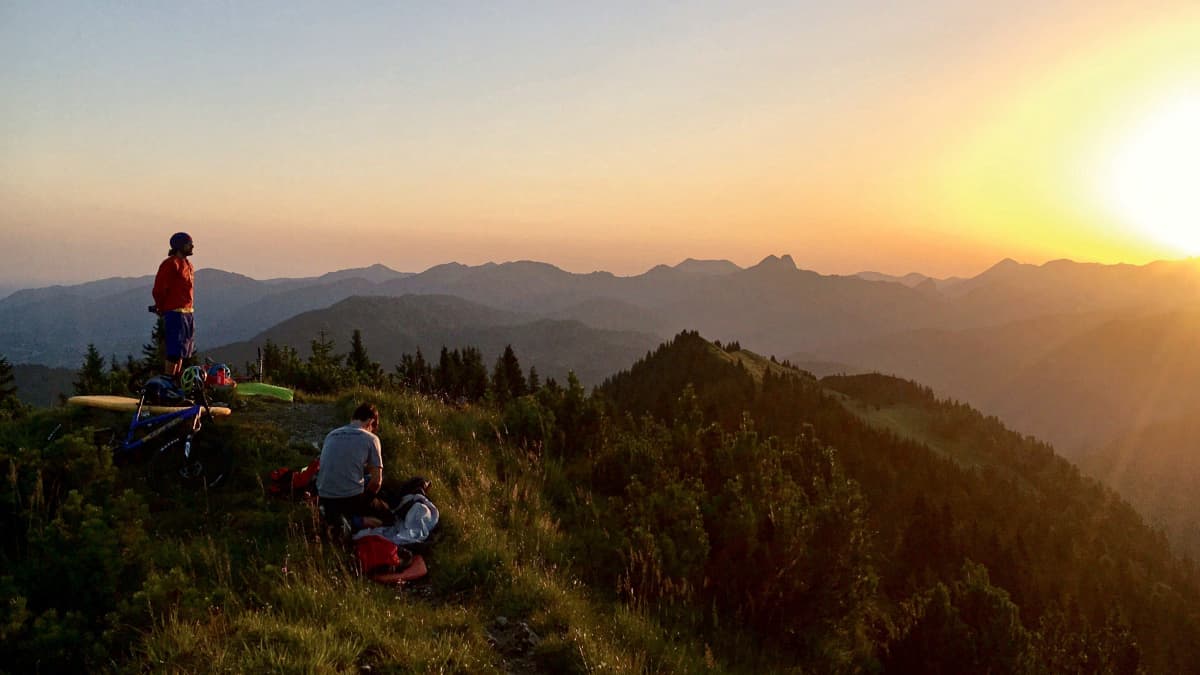
Real adventurers don't book a room, they take up position - somewhere between a root and a view. While the duvet is waiting in the guesthouse, the sky outside is open like a promise: no Wi-Fi, but reception. Those who sleep under the stars swap their room key for freedom, breakfast buffet for morning dew and the question "When do I check out?" for "I'll drive on when it suits me".
Being outside is not a sacrifice, but a trade-off: less comfort, more feeling. You can hear how the night works, feel how small you are - and that's where the luxury lies. Everything you need fits in one bag, and suddenly your head is more in tune with yourself again.
Of course, the guesthouse is warm, dry and legally impeccable. But it doesn't tell any stories the next morning. You write them yourself outside - with cold feet, clear thoughts and a pretty good view of the essentials.
But now comes the "BUT". Anyone who has ever travelled knows that the place to sleep has to be well chosen. Nobody wants to be woken up in their sleeping bag by the landowner, by teenagers at a bus stop in the village or even by the farmer when you've made yourself comfortable in his barn. This eternal "I'm travelling illegally" can really kill the vibe. So where to sleep? Ideally, sheltered from possible showers or thunderstorms.

Wild camping is generally prohibited, but bivouacking without a tent is a grey area. What's more, where there's no plaintiff, there's no judge. Bikepackers should look for a quiet spot. Nothing is worse than hearing people's voices approaching while you're half asleep. For me, the most important rule is: don't attract attention, leave no trace and pack up early in the morning. - Laurin Lehner, BIKE editor and outdoor fan
Sleeping outside in Germany is less a question of "where allowed" than "where smart". Those who spend the night outdoors are not looking for a place - but the right mix of dry, quiet and unobtrusive.
Where good, where bad?
A good spot is rarely spectacular. Slightly elevated so that there is no water. Forest edge instead of valley bottom. Pine forest instead of dense deciduous forest - the ground often remains drier there, the air moves and you don't wake up in a humid microclimate. Meadows can look tempting, but quickly turn into dew traps at night. And right by the water? Beautiful for the sunset, clammy for the sleeping bag. And a mosquito alarm.
Less good: anything that looks like "life could rage here". Large maize fields are wildlife highways - not a good neighbourhood for wild boar in particular. Thick undergrowth not only rustles in the wind. Open hilltops provide views, but also wind and visibility. And anyone who settles down in the middle of hiking trails becomes a topic of conversation at dawn at the latest.
The soil reveals a lot: dry leaves rustle but insulate well. Moss is soft but retains moisture. Coniferous soil is often the best compromise. A quick check by hand replaces any weather app.
The key is the quiet art of not being conspicuous: arrive late, leave early, leave nothing behind. No fire, no rubbish, no "I was here". Then any patch of nature becomes a pretty good place for one night.
The rules in Germany explained briefly and concisely:
Wild camping
- Generally prohibited
- Applies to tents, motorhomes & longer stays in the countryside
- Particularly strict in protected areas (nature conservation, national parks)
Bivouacking (without tent)
- Grey area / partially permitted
- Only with sleeping mat/sleeping bag (no tent)
- Often tolerated for one night outside protected areas
- Always respect nature & private property - Leave nothing behind
Private properties
- Only with the owner's permission
- Otherwise fines may be imposed
Light a fire
- Mostly prohibited in the wild
- Only permitted at designated fireplaces
- Be aware of the risk of forest fires!
Campsites
- Always allowed
- Safest & legal option
Special cases
- Some federal states allow trekking sites (simple natural sites, often bookable)
- Notbiwak (e.g. in bad weather) is permitted

This might also interest you:

Laurin Lehner
Editor
