


A fall on a bumpy single trail, a deep graze or even a suspected spinal injury far from civilisation - every second counts in moments like these. But while most bikers invest a lot of money in protectors and helmets, there are often dangerous gaps in knowledge when it comes to "What to do in the event of a crash". Ortovox, a firm favourite for avalanche safety and alpine training since 2008, is now closing this gap for mountain bikers and trail bikers too.
Safety is not a coincidence, but training
The Safety Academy has existed since 2008 and is one of the largest safety initiatives in the Alpine region. It combines courses with mountain schools, digital learning platforms and printed guide books. "What began with printed guide books has been continuously expanded and now offers a holistic range of practical courses, online content and training tools," explains Frank Ammon, Marketing Manager Safety Academy. The company sees knowledge transfer as an integral part of its philosophy of not just developing products.
The programme is structured in three parts: theory and practice
- The practical courses (MTB First Aid): Two-day intensive training sessions on forest tracks and single trails in the DACH region. Realistic scenarios are practised here - from fall management to wound care under time pressure.
- The Pocket Lab: A free digital learning platform for smartphones. Ideal for refreshing your knowledge in the lift or calling up specific recommendations for action in an emergency.
- The Guide Book First Aid: A 60-page pocket-sized compendium that is available free of charge in shops and should be in every rucksack with its clear checklists.
Practical courses on trail and forest path
The two-day "MTB First Aid" course takes place on numerous dates throughout the summer at various centres in Germany, Austria and Switzerland. The training courses teach structured procedures for typical mountain bike injuries. The spectrum ranges from treating minor wounds to first aid for serious falls.

All courses are held directly on forest tracks, single trails or alpine trails. This environment enables realistic scenarios that correspond to the actual conditions in an emergency. Depending on the venue, participants can obtain certificates in accordance with DGUV and FeV. The courses are run in cooperation with Dr Hermann Meyer and his company Alpine First Aid.
Digital learning platform and guide book
The Safety Academy Pocket Lab supplements the practical courses as a digital learning platform. The content can be accessed free of charge at any time and expands on the knowledge acquired in the courses. Typical mountain bike injuries, specific recommendations for action in an emergency and practical scenarios provide a comprehensive overview of modern emergency management. The platform can also provide important support in an emergency.
The First Aid Guide Book summarises key first aid knowledge on 60 pages. With clear checklists, it provides structured procedures for emergencies. Typical bike injury patterns and specific recommendations for action round off the offer. The guide book is available free of charge from retailers and was also developed with Alpine First Aid.
Why first aid knowledge counts on the mountain
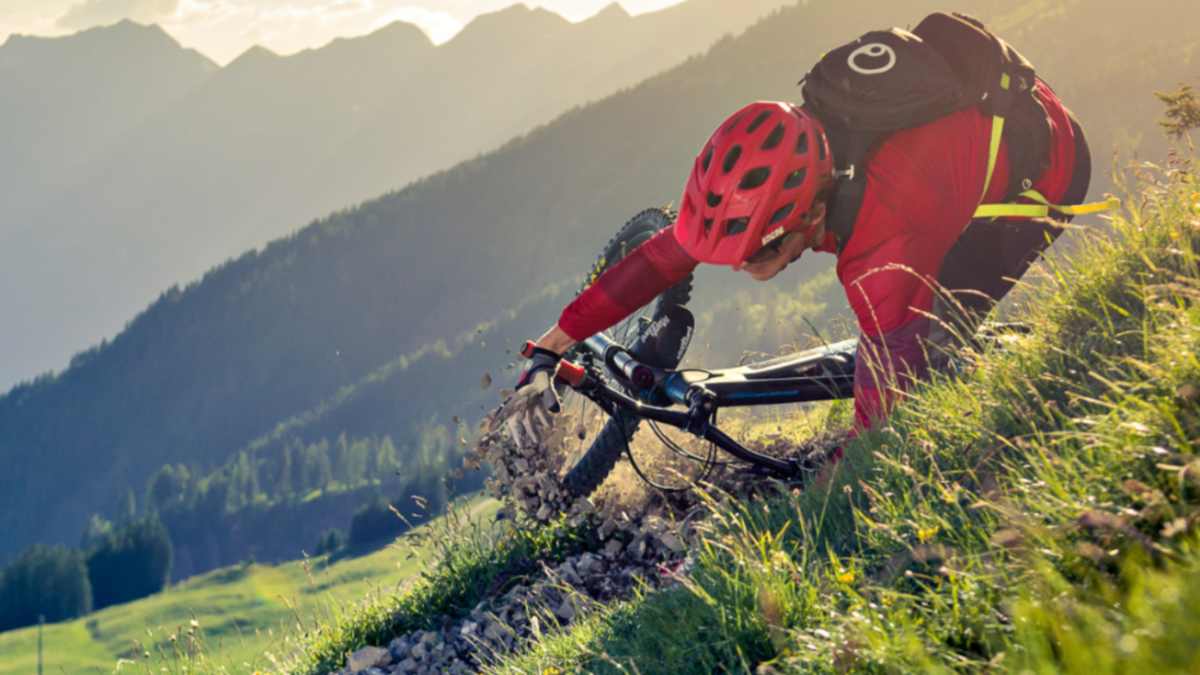
Mountain biking harbours specific risks that differ from other sports. Falls on technical trails can lead to injuries where quick action is crucial. The remoteness of many trails makes access for emergency services difficult. It can often take 30 minutes or more for professional help to arrive.
During this time, correct first aid makes all the difference. Abrasions must be treated correctly to avoid infection. In the case of broken bones or head injuries, the initial treatment determines the further healing process. Correct positioning of injured persons and making a structured emergency call are also part of the life-saving measures.
Booking and availability
The courses can now be booked on the Ortovox website www.ortovox.com. The Pocket Lab is also available online and offers helpful knowledge for on the go or for reading at home. Both courses will start in summer 2026.
The Ortovox Safety Academy Bike at a glance:
- Course focus: Structured procedures for bike-specific injuries (falls, fractures, wounds).
- Realism: Training directly on the trail (Germany, Austria, Switzerland).
- Digital: Free "Pocket Lab" to deepen your knowledge on the go.
- Print: 60-page "Guide Book First Aid" with checklists (available free of charge).
- Partner: Expertise by Dr Hermann Meyer ("Alpine First Aid").
- Booking: Available immediately at www.ortovox.com.
More knowledge for the trail: other providers of MTB first aid
Ortovox is a pioneer in the field of holistic alpine training, but those who want to deepen their knowledge will also find excellent courses from these specialised providers:
- Dani Hornsteiner (first aid on the mountain): The expert from Garmisch-Partenkirchen is a legend in the scene. Her courses are extremely practical and specially tailored to outdoor athletes.
- German Alpine Club (DAV): Many sections now offer specific mountain bike courses, which often include a module on off-road emergency care.
- DIMB (German Mountain Bike Initiative): As part of the guide training programme, the DIMB offers in-depth first aid training courses, which may also be of interest to non-guides (depending on capacity).
- Red Cross / Johanniter (outdoor first aid): The major aid organisations have special "outdoor" modules in their programme that deal with the challenges far from paved roads.
The opinion of the editorial team
Safety first! If you know your bike, you should also know how to rescue it. The new Ortovox offer is a long overdue step towards sustainably increasing safety on our trails.
Stefan Frey
Editor
