


The birds are chirping, it's light earlier again, spring has fully taken over. Why not cycle to work from time to time? Especially at this time of year, you can organise your commute so that it fits in with your everyday life. You don't have to change everything immediately. One or two days a week are enough to make it easy to get started and still achieve noticeable effects.
Argument number 1: More daylight
Longer days are not only "nicer", they are practical. If you cycle in the morning and evening in bright light, your journey to work will feel more relaxed and you will be seen better. This reduces stress, especially if you're travelling on routes that you don't know well yet.
This is a great advantage for beginners in particular: you can test new routes, assess junctions at your leisure and realise more quickly where you feel comfortable. Your confidence grows with every ride and the inhibition threshold to abandon your bike becomes smaller.
Argument 2: The temperature
Cycling in spring is often just right: not too hot, not too cold. You sweat less than in midsummer and don't have to wrap up like in winter. This makes the start uncomplicated, especially if you have to go straight to the office, appointments or other commitments.
It's also easier to plan your clothing. A light jacket, maybe an extra layer - that's it. And if you need a few minutes longer on the way home, it's usually not a problem because it doesn't get dark early.
Argument 3: Routine
Many people underestimate how much commuting by bike depends on habit. If you start in spring, you have a stable routine by summer, including realistic time planning, suitable equipment and a route that works. That's the crucial point: you don't have to start again in autumn when it suddenly gets colder, fuller or more hectic again. You'll already be in the flow.
- Start with fixed days (e.g. Tuesday and Thursday) instead of deciding anew every day
- Plan a 10 - 15 minute buffer at the beginning until you know your pace
- Find a bad weather alternative that you can pull out in an absolute emergency
Argument 4: The mood
The bike adds a movement component to the journey to work, changing the way you start your day. You are outside, get light, move around and often arrive mentally more alert. Many people realise that they need less time to get going because their body has already been active. And after work, the bike is a natural transition: you let the day flow away instead of being stuck in a traffic jam or on a busy train. This can feel like a little reset, especially if you've had a full day at work.
Optimise the setup now
In spring, you can test your equipment and procedures in peace before the extreme conditions arrive (summer heat, autumn rain, winter cold). You'll quickly realise what you need - and what you don't need at all.
Here is a compact orientation, which makes it easier to get started:
| Range | Useful for the start | Why this helps |
| Visibility | Light (front/rear), reflectors | You will be seen earlier, especially at dusk |
| Comfort | Good gloves, suitable saddle height | Fewer pressure points, more relaxed driving |
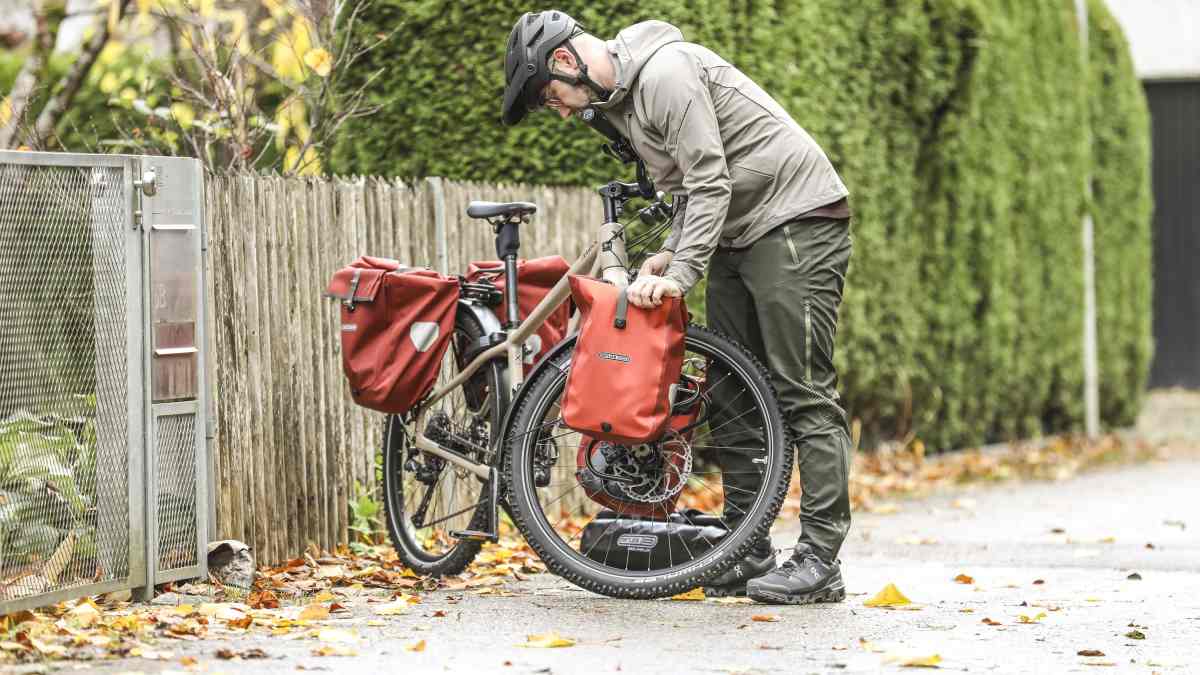
| Everyday life | Lock, pannier | You are flexible when shopping and at work |
| Weather | Light rain jacket, mudguards | You stay drier and are more likely to stay on it |
| Breakdowns | Mini pump, hose/repair kit | Small problems don't stop you completely |
Commuting by bike can also be financially beneficial. Less petrol, fewer parking fees, fewer tickets for local transport. There is also an advantage that many people only really appreciate after a few weeks: You are more independent. When roads are congested or public transport is unreliable, cycling gives you an option that often remains surprisingly constant. Especially for distances of up to 10 - 15 kilometres, cycling is competitive in many cities and often even faster.
Conclusion
The best way to get started is to stick with it. You don't have to ride every day straight away. Start small, take it easy and optimise step by step. It becomes more normal with every kilometre. In the end, now is the perfect time because the conditions will help you: more light, better weather, more motivation. If you start today, in a few weeks' time you won't be test riding - you'll simply be commuting.
Leon Weidner
Working student
